Grupo Venrecicla / Recycled Polymers Europe
Every tonne placed in Europe funds the next same-day cash purchase from a collector in Venezuela.
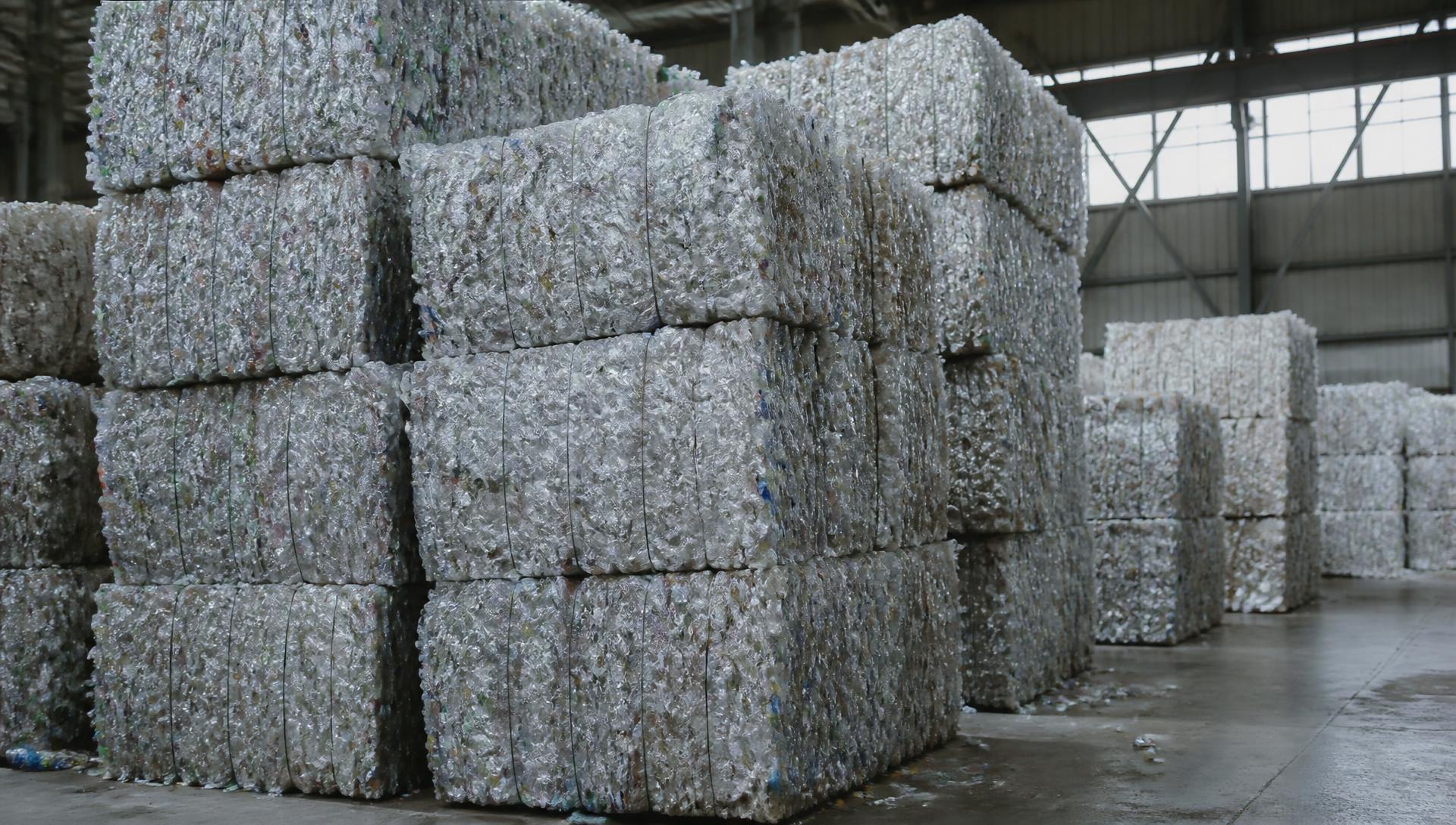
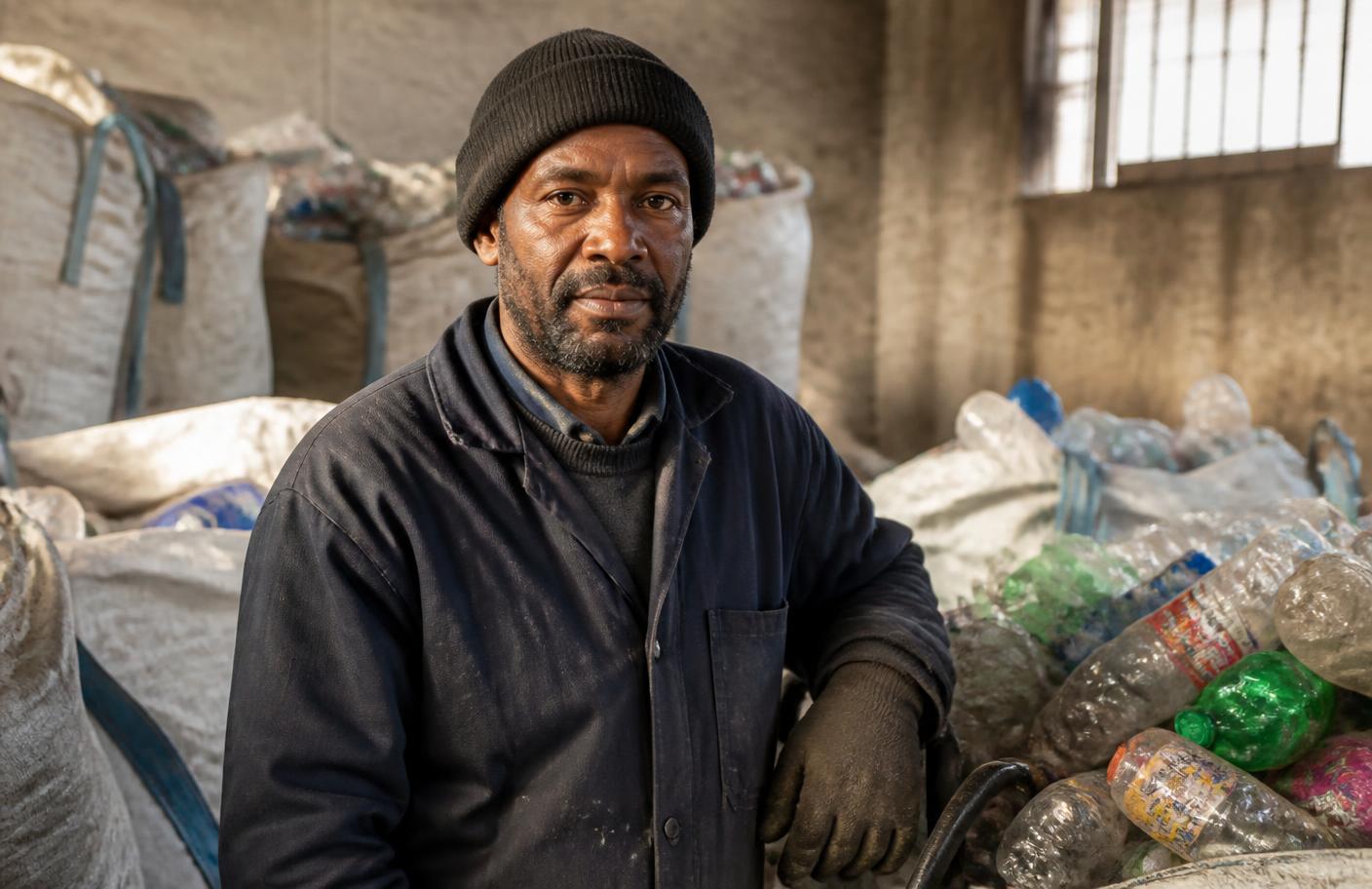
Four operating companies recover post-consumer plastic waste, convert it into secondary raw material and sell it to European converters under traceable, certified chain of custody.
20,000+
tonnes processed per year
20,000+
Tonnes processed per year
30+
Export destination countries
20+
Years of continuous operation
78
Workers at Venezolana de Reciclaje
Certified
Material certified Ocean Bound Plastic
The problem
A recycling rate near 2 % and a workforce with no recognised income
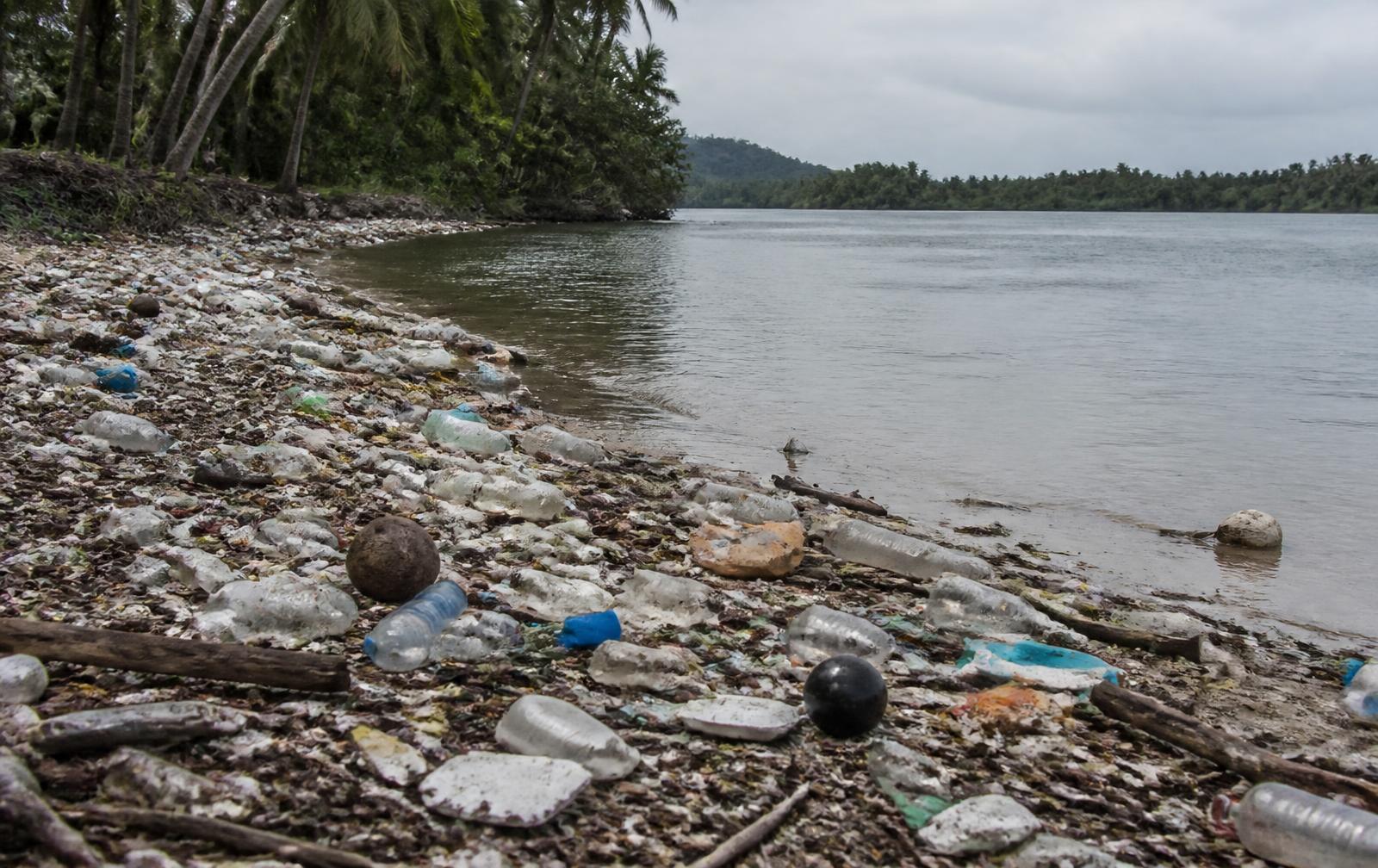
In Venezuela close to 2 % of plastic is recycled. Latin America averages around 4 % recycling and circularity close to 1 %, which leaves the overwhelming majority of post-consumer polymer in landfill, open burning or in rivers and coastal environments.
Informal collectors recover up to half of the region's recyclables and divert around 60 % of the plastics that would otherwise be landfilled or burned. They do this without recognition, contracts or predictable income, and with prices set by intermediaries.
Theory of change
Five linked stages
The chain runs from working capital to placed tonnes and back again. Each stage is a precondition for the next, which is also why the model has a single point of fragility.
01 · Inputs
What has to be in place
- Working capital sized for daily cash payment at the gate
- A network of collectors and intermediate aggregators across the country
- Three processing plants: Lara, Carabobo and Miranda
- Optical sorting technology; the Sesotec bottle and flake sorters are the only units of their kind in Venezuela
- A commercial office in Barcelona for EU sales and compliance
- Ocean Bound Plastic certification and chain of custody
- Fundación Ven y Recicla, with territorial presence since 2011
02 · Activities
What the group does with them
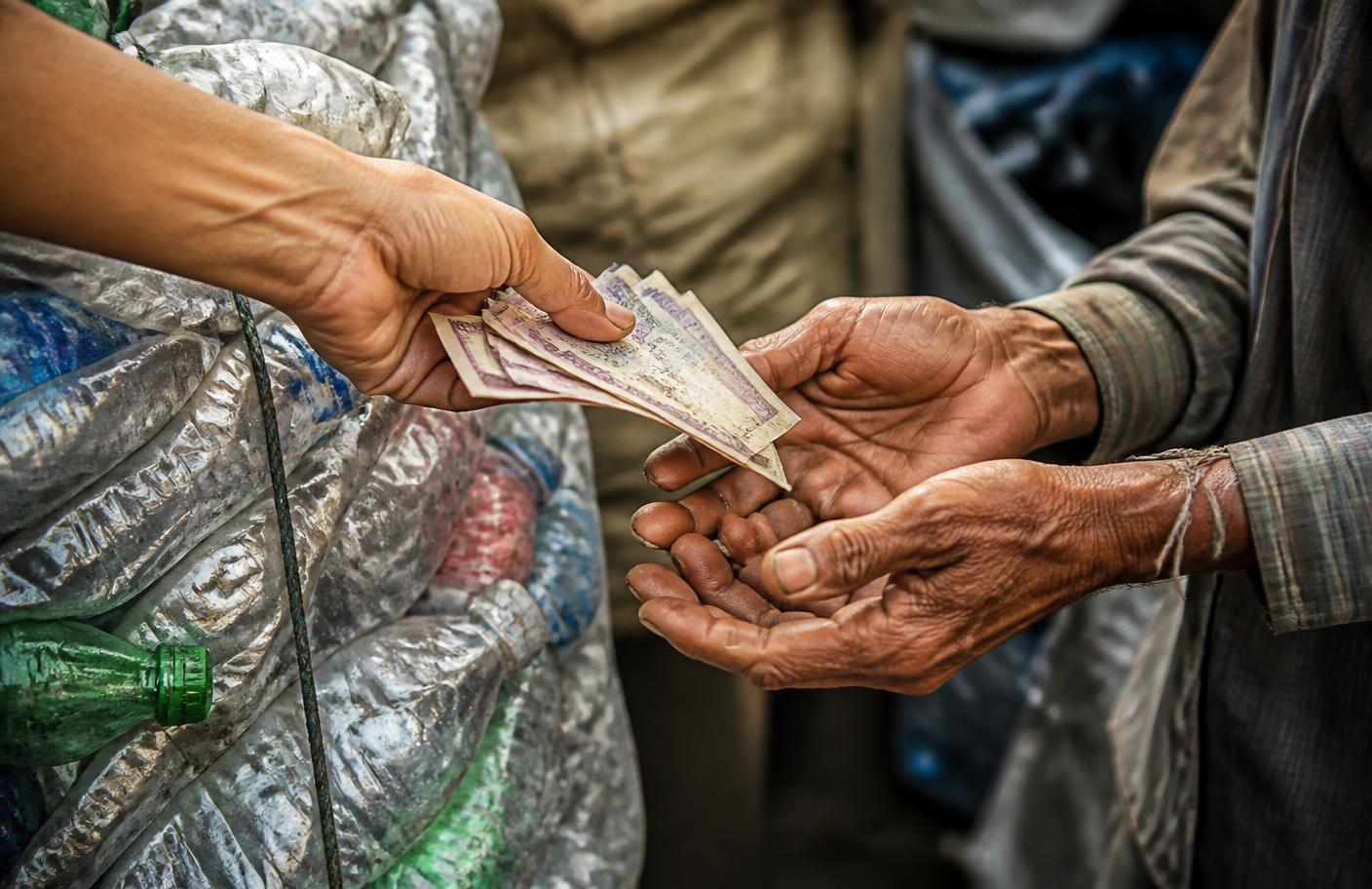
- Same-day cash purchase of baled and loose material
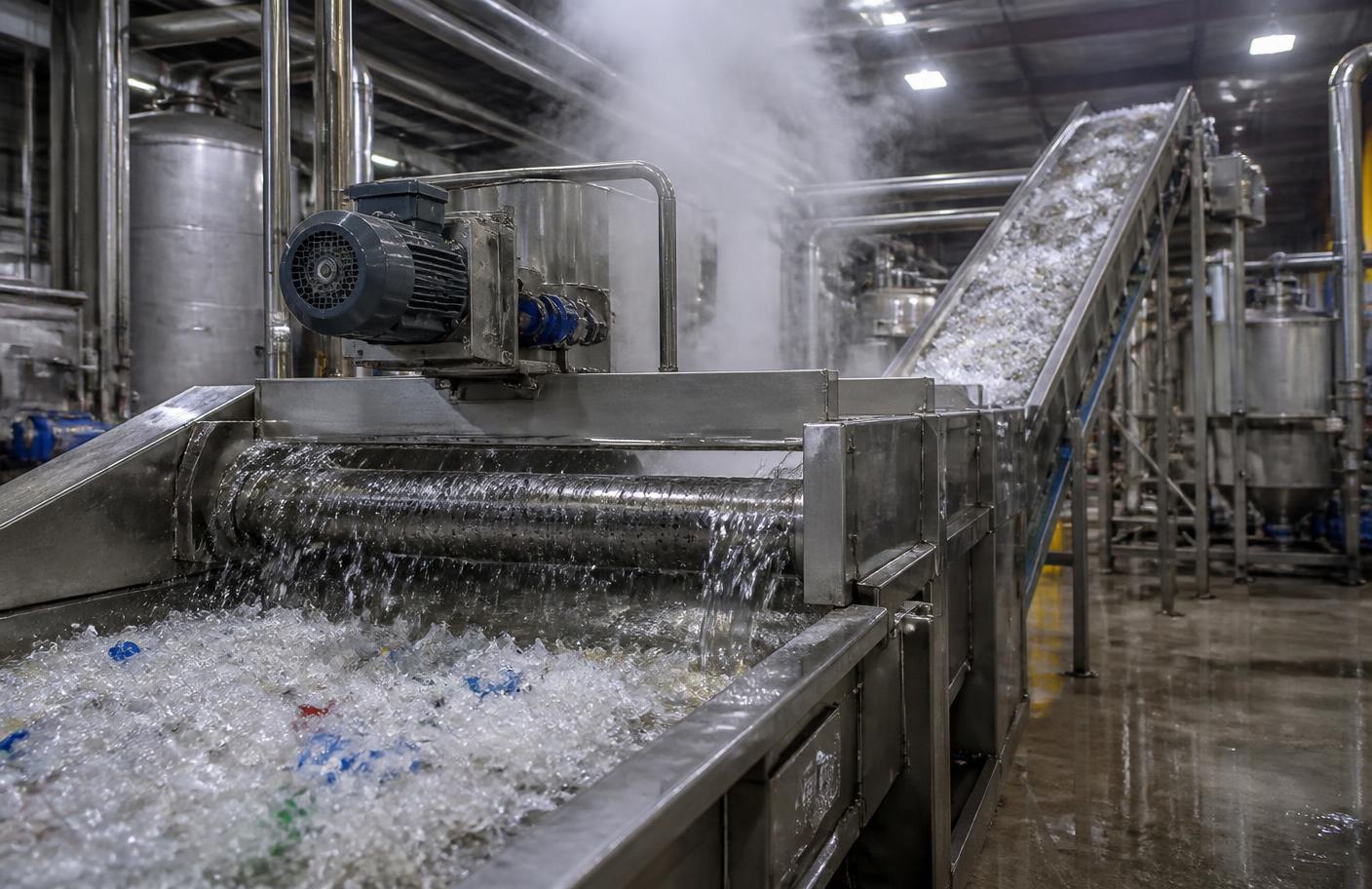
- Hot wash and grinding, with rPET on Erema Vacurema Prime technology
- Quality control and traceability by point of origin
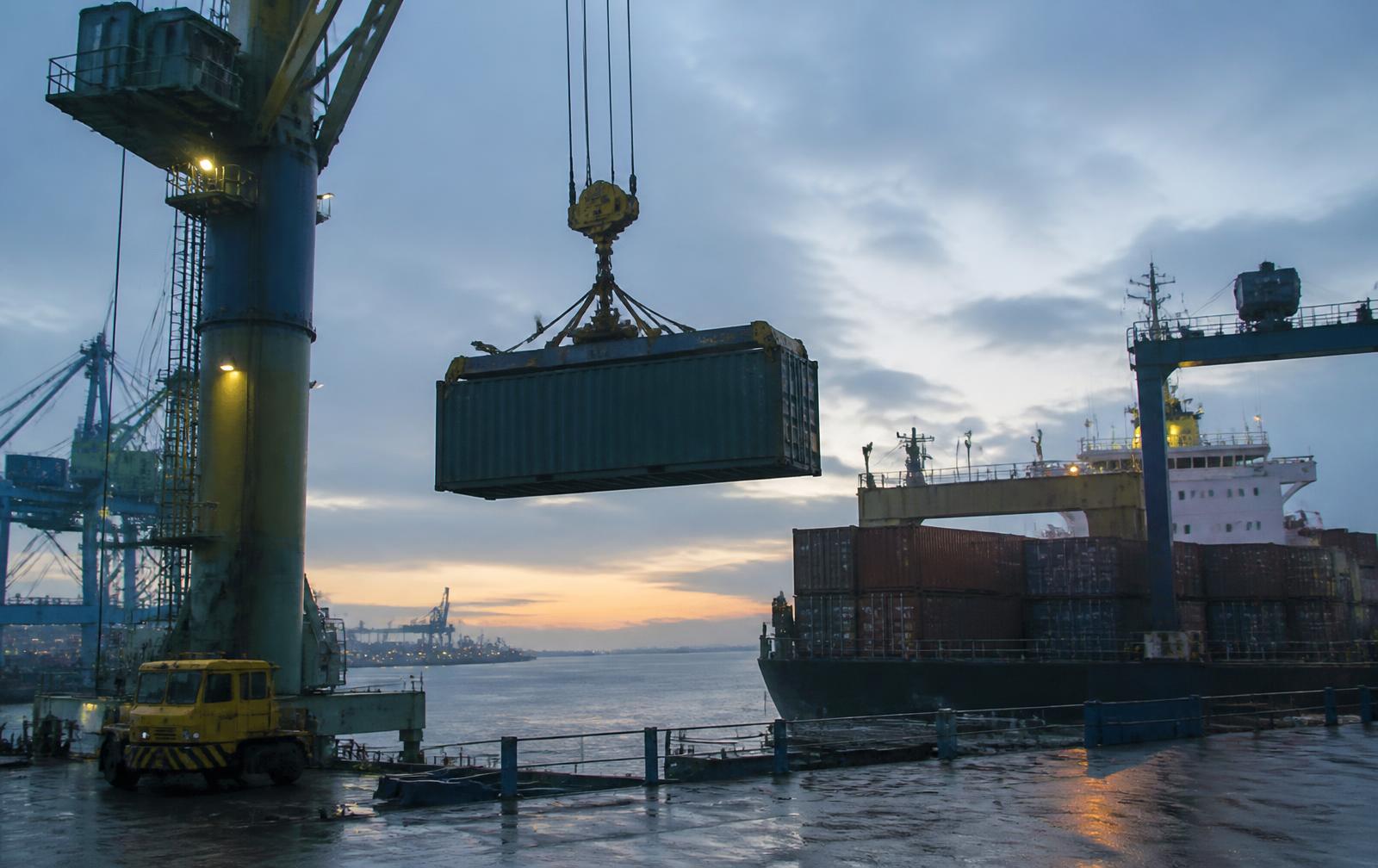
- Certified export to the European Union
- Environmental education and collection points in schools and communities
- Participation in the draft Venezuelan extended producer responsibility resolution

03 · Outputs
What comes out, measured
- Tonnes of flake processed per quarter
- Active supplying collectors and aggregators
- Tonnes traced under Ocean Bound Plastic certification
- Schools with an active collection point
04 · Outcomes
Where the impact argument actually sits
The collector is paid the same day, by a recurring buyer
Cash at the gate replaces sporadic income mediated by intermediaries. The buyer is industrial, repeat and price-transparent, which turns collection from scavenging into a supply relationship.
European converters meet a legal obligation with traceable material
Recycled-content quotas are not a preference. Converters need documented origin and chain of custody, and that is the product being sold alongside the polymer.
Communities sustain separation at source
School and community collection points, run by the foundation since 2011, keep the feedstock clean enough to reach food-grade and sheet markets.
Venezuela moves towards an EPR framework with an operator able to execute it
The group participates in the draft resolution. A national scheme without industrial capacity is an unfunded mandate; capacity already installed changes what the regulation can require.
05 · Impact
What changes at the end of the chain
- Plastic kept out of landfills, rivers and the ocean
- Emissions avoided by displacing virgin resin in European production
- More dignified and more predictable livelihoods along the informal waste chain
The anchoring mechanism
One loop, two currencies of value
Each tonne placed with a European converter finances the next cash purchase at the plant gate. That purchase is the collector's income, so volume sold in Europe and income earned in Venezuela are the same variable observed at two points in the chain.
Each certified tonne performs a second conversion: waste with no local price becomes an asset with an international one. Certification and traceability, not the polymer alone, are what make that price accessible.
Assumptions an investor should monitor
Three exposures, stated without softening
Collector income tracks a price the group does not set
The purchase price at the gate is a function of the international recyclate price. A downward move in that price compresses collector income regardless of operational performance.
Sustained separation at source depends on the education programme continuing
Feedstock quality is a behavioural outcome. If the foundation's programme loses continuity, contamination rises and the highest-paying grades become unreachable.
The whole chain depends on the ability to pay cash
A working-capital restriction reduces tonnes, collector income and avoided emissions simultaneously. This is the single correlated failure mode of the model, and it is financial rather than technical.
The group
Four operating companies and a foundation
Venezolana de Reciclaje
Lara, Venezuela
Polyolefins and technical plastics. 78 workers and more than 20 years of continuous operation.
PET Caribe
Carabobo, Venezuela
Hot-washed PET flake.
ConRecicla
Miranda, Venezuela
rPET on Erema Vacurema Prime technology.
Recycled Polymers Europe
Barcelona, Spain
EU commercial arm, incorporated in 2019.
Fundación Ven y Recicla
Venezuela, since 2011
Environmental education and collection points in schools and communities.
Current offtakers
- Unifi (United States)
- Morssinkhof Plastics (Netherlands)
- Antex (Spain)
- PET Baltija (Estonia)
- Clear PET (Brazil)
- Terra Polyester (Honduras)
Impact pages
Three views on the same series
Data integrity
Every figure on this site carries one of three labels, so the origin of each number is legible without reading the appendix.
Figure published by the group.
Derived from the quarterly series and the stated formulas.
Scenario from the 2021 business plan.
Indicator defined, baseline not yet measured.